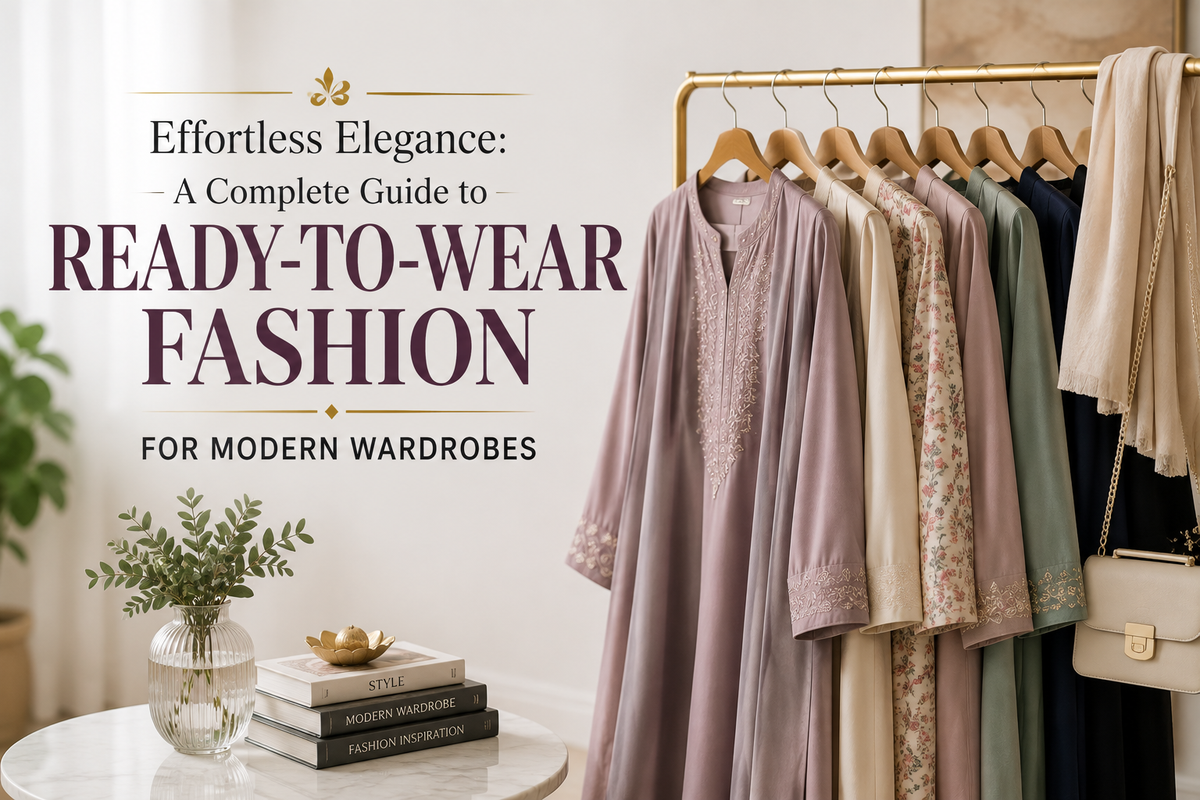
Building a wardrobe of hijabs and scarves that actually works for daily life takes more thought than most people expect. Between fabric types, base layers, and the small accessories that hold everything in place, it's easy to end up with a collection of pieces that look good individually but don't function well together. This guide walks through the main fabric options and accessories worth understanding, so building a practical, all-purpose collection feels far more manageable.
Why a Mixed Wardrobe Works Better Than a Single Fabric Type
Relying on just one fabric type rarely covers every situation. A fabric that feels perfect on a hot summer afternoon might feel too light or too casual for a formal evening, while a heavier, more elegant fabric can feel restrictive during a long, active day. Understanding how different fabrics behave — and pairing them with the right accessories — makes it far easier to dress appropriately for the weather, the occasion, and personal comfort, without constantly second-guessing the choice.
What Role Do Lawn Scarves and Lawn Hijabs Play in Daily Wear?
Lawn scarves and lawn hijabs are generally the most practical starting point for everyday wear, thanks to the breathability of lawn fabric. Made from a finely woven, lightweight cotton, lawn allows better airflow than heavier materials, which makes it especially suited to warm or humid weather.
A few reasons lawn remains a daily favorite:
- Breathable and lightweight, ideal for long hours of wear without feeling heavy or restrictive.
- Easy to maintain, since cotton-based fabric generally holds up well to frequent washing.
- Available in a wide range of prints, suiting both casual and semi-formal outfits.
For anyone building a wardrobe primarily for everyday use, starting with a few lawn pieces tends to cover the largest share of daily needs.
How Do Chiffon Scarves Fit Into a Formal Rotation?
Chiffon scarves bring a different quality to the wardrobe altogether. Known for their soft drape and slightly sheer texture, chiffon tends to suit formal or semi-formal settings better than everyday errands, largely because of the extra styling effort it usually requires.
A few things worth knowing about chiffon:
- Its smooth texture creates an elegant drape, but also means it slips more easily than textured fabrics.
- It's often layered over another piece for coverage, given its semi-sheer quality.
- It tends to hold up well when paired with a secure accessory, making it a reliable choice for events where a polished look matters.
Because of its refined appearance, chiffon is usually reserved for occasions rather than daily rotation, though personal preference varies.
Why Do Crinkle Hijabs Offer a Practical Middle Ground?
Crinkle hijabs sit somewhere between the breathability of lawn and the elegance of chiffon. Their textured, creased surface isn't accidental — it's a deliberate finish that affects how the fabric behaves once worn.
Key advantages of crinkle fabric include:
- A natural grip that reduces slipping compared to smoother fabrics.
- Added volume without extra weight, keeping it comfortable over long hours.
- Minimal ironing required, since the texture is built into the design.
This combination of low maintenance and reliable structure makes crinkle a strong option for those who want a put-together look without much daily effort.
What Makes Jersey Scarves Ideal for Active Days?
Jersey scarves are knitted rather than woven, giving them natural stretch and a slightly textured surface. This construction makes jersey one of the more forgiving fabric choices for busy, active routines.
A few reasons jersey performs well on the go:
- Its stretch allows it to hold shape without needing to be pulled tight.
- The textured knit grips against hair more effectively than smooth fabrics.
- It generally requires minimal accessory support to stay secure through the day.
For anyone frequently on the move — work, errands, or an active daily schedule — jersey tends to be one of the lowest-maintenance fabric choices available.
How Do Hijab Pins, Under Scarves, and Hijab Magnets Complete the Routine?
Fabric alone doesn't determine how secure or comfortable a hijab feels — the accessories used alongside it matter just as much.
Hijab pins remain one of the most reliable ways to secure heavier or smoother fabrics, particularly lawn or chiffon, where a firm hold makes a noticeable difference over a long day. Choosing the right pin size for the fabric weight, and replacing pins once they wear out, helps maintain both comfort and fabric quality over time.
Under scarves serve a different but equally important purpose. Worn beneath the main hijab, they keep hair in place and create a smoother, grippier base for the outer fabric to sit on, which reduces slipping throughout the day. Lighter net options suit warm weather, while jersey under scarves offer a firmer, more secure fit.
Hijab magnets offer a gentler alternative to traditional pins, particularly for delicate fabrics like chiffon. Since magnets clasp fabric rather than piercing it, they reduce the risk of small snags or marks that can build up with repeated pin use in the same spot.
Building a Wardrobe That Works Across Every Occasion
Bringing all of this together, a well-rounded hijab wardrobe usually includes a mix of fabrics matched to specific purposes: lawn for everyday breathability, chiffon for formal polish, crinkle for low-maintenance structure, and jersey for active days. Pairing each with the right accessory — pins for firmer fabrics, under scarves for grip and coverage, and magnets for delicate materials — rounds out a routine that holds up comfortably no matter the setting.
Frequently Asked Questions
1. How many different hijab fabrics should a basic wardrobe include? A small mix of three to four fabric types, such as lawn, chiffon, crinkle, and jersey, generally covers most everyday and formal needs without unnecessary duplication.
2. Do all fabrics need an under scarf underneath? Not always, but semi-sheer or smoother fabrics like chiffon tend to benefit most from an under scarf, both for coverage and improved grip.
3. Are hijab magnets a full replacement for pins? Not entirely. Magnets work well for lighter, more delicate fabrics, while heavier materials often still benefit from a pin's firmer hold.
4. Which fabric is easiest to maintain on a daily basis? Lawn and jersey are generally the easiest to maintain, since both are simple to wash and require minimal ironing or special care.
5. Is it necessary to match under scarf color with the outer hijab? It's not required, though many prefer a close match for a seamless look, especially with lighter or slightly sheer outer fabrics.
Final Thoughts
A well-built collection of scarves doesn't rely on a single fabric or accessory — it comes together through a thoughtful mix of pieces chosen for specific purposes. Lawn and jersey handle daily breathability, chiffon adds polish for formal occasions, crinkle offers low-maintenance structure, and the right combination of pins, under scarves, and magnets ties the routine together. Approaching a hijab wardrobe this way tends to result in a collection that genuinely holds up to everyday life.